Introduction + Causes

What is Cleft, Lip & Palate?

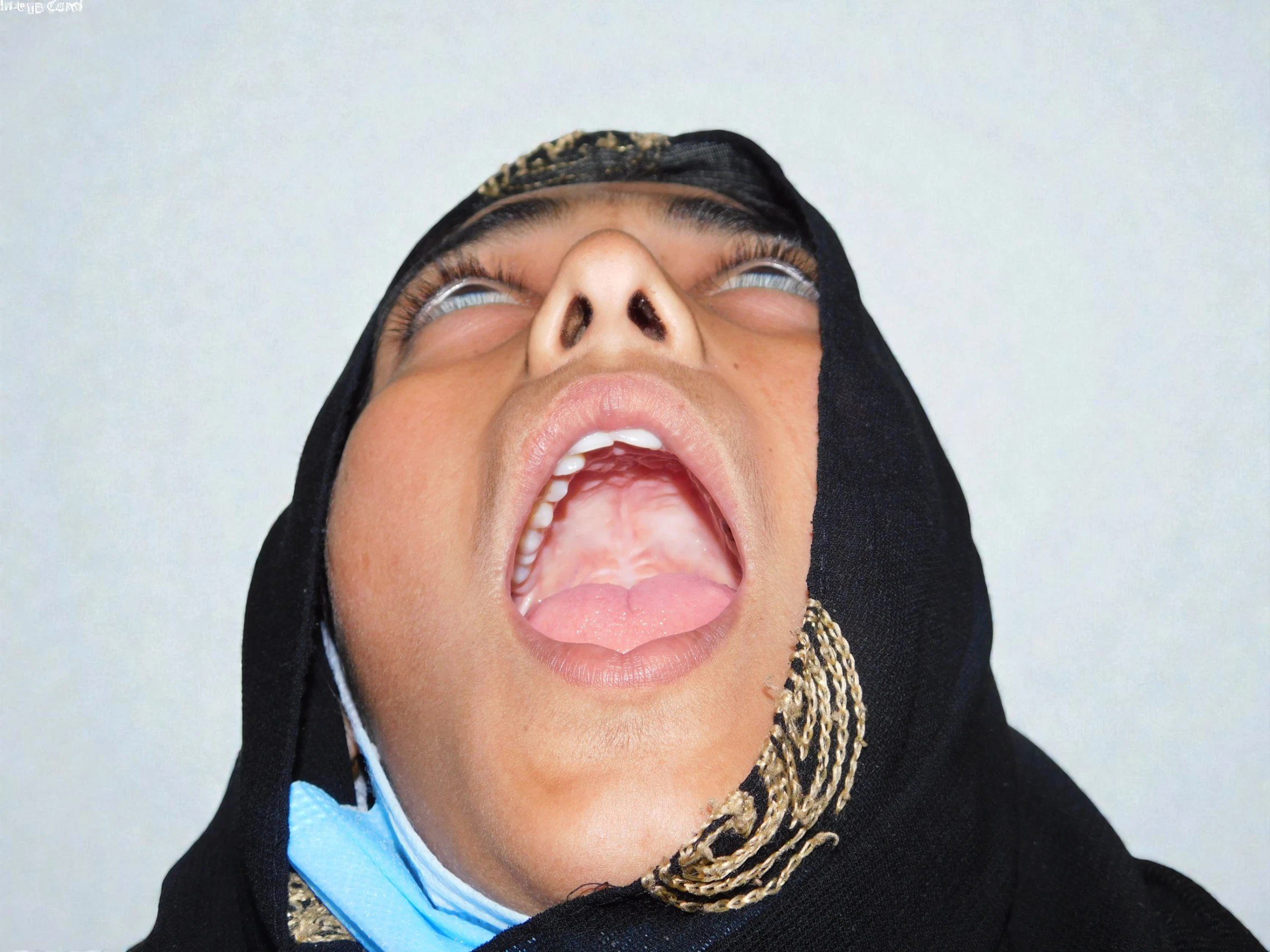
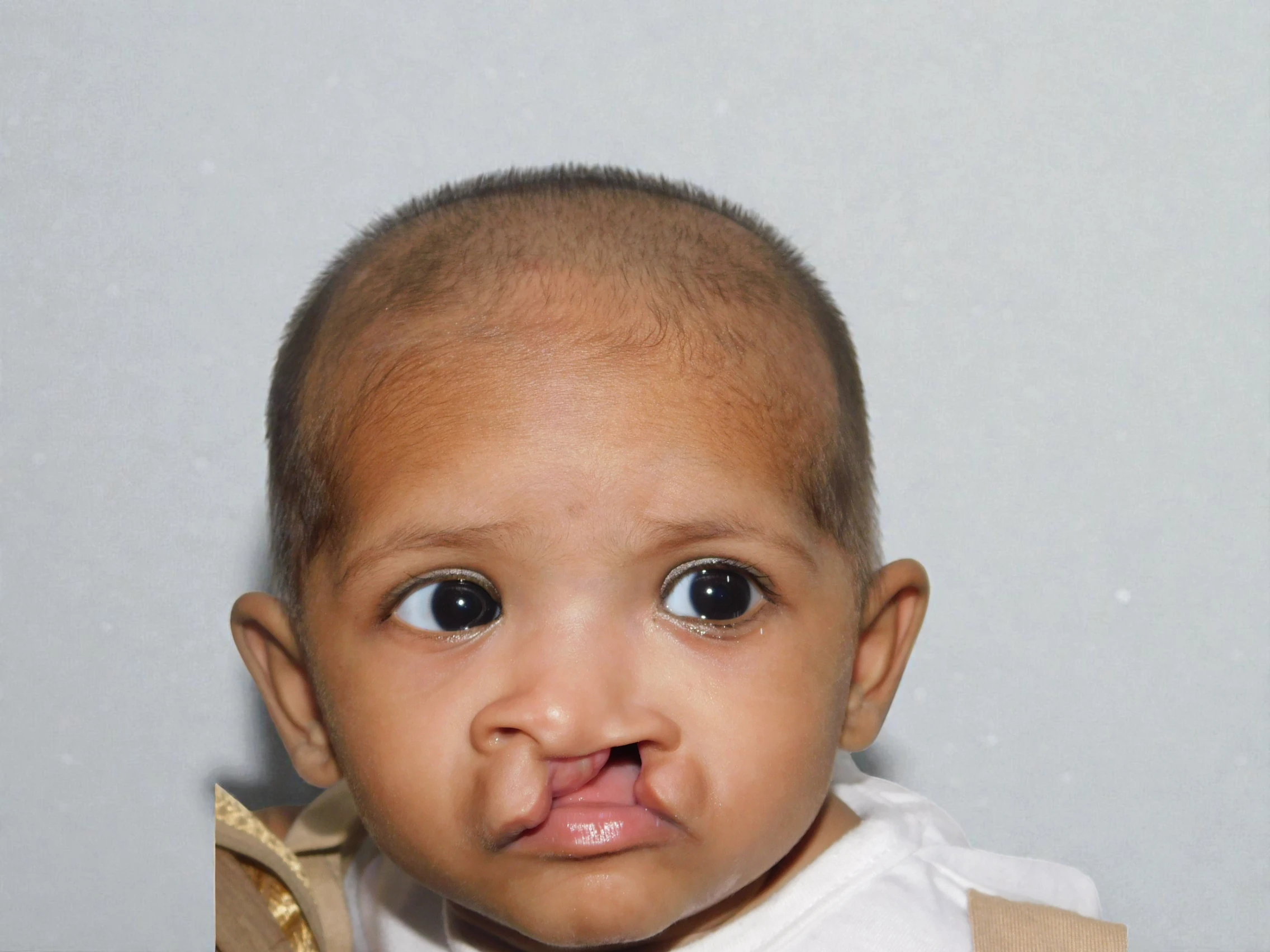
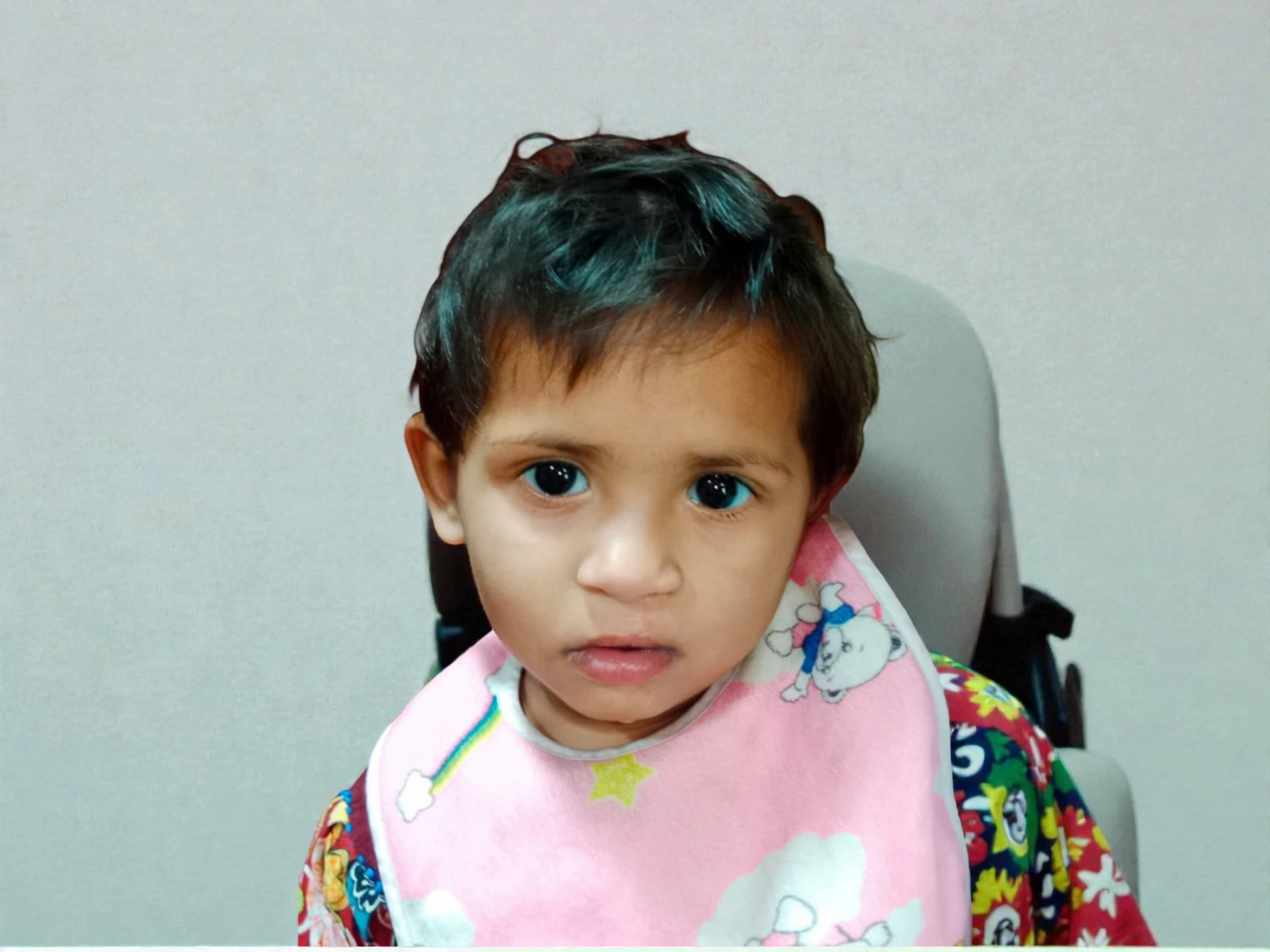
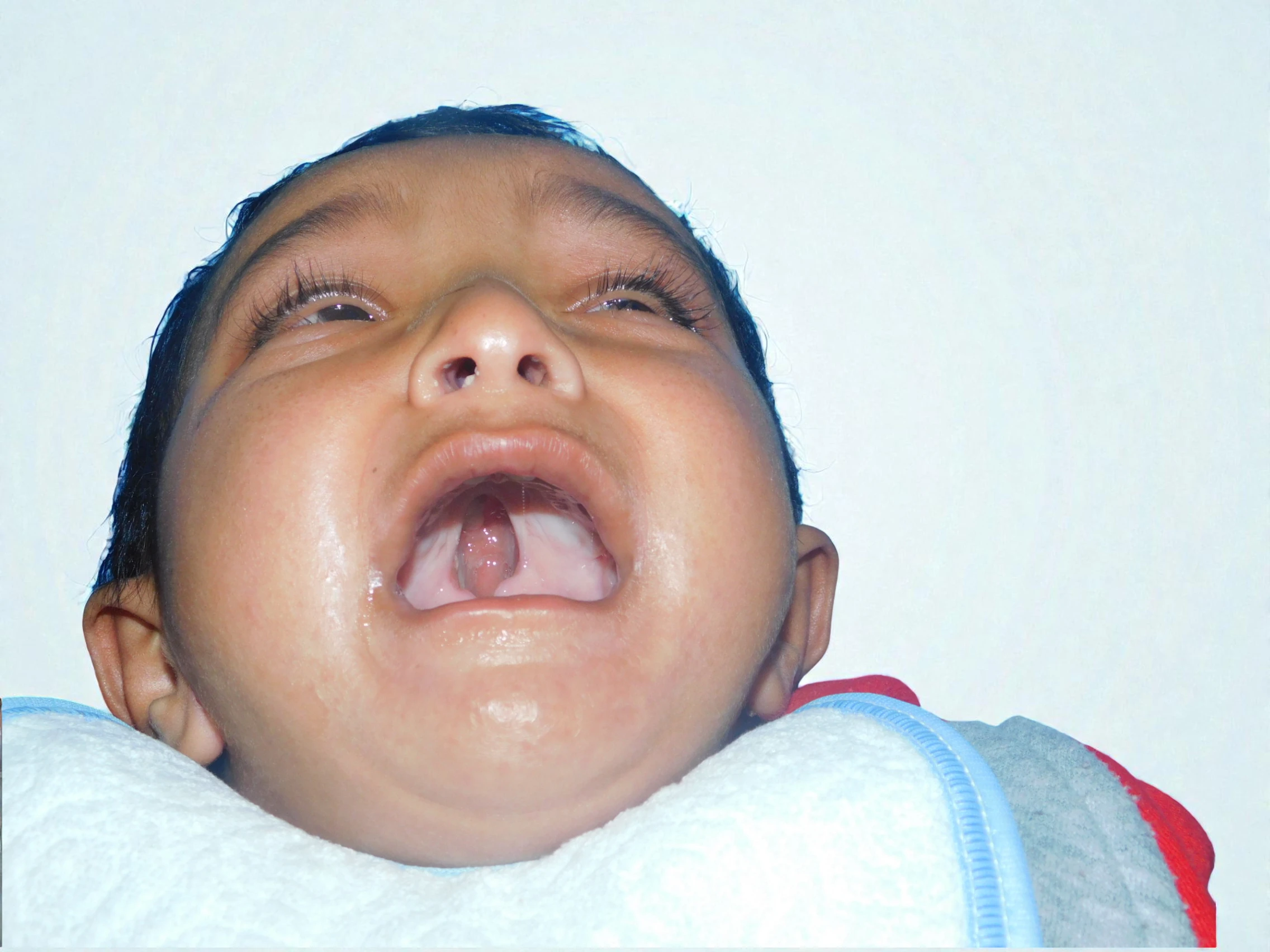
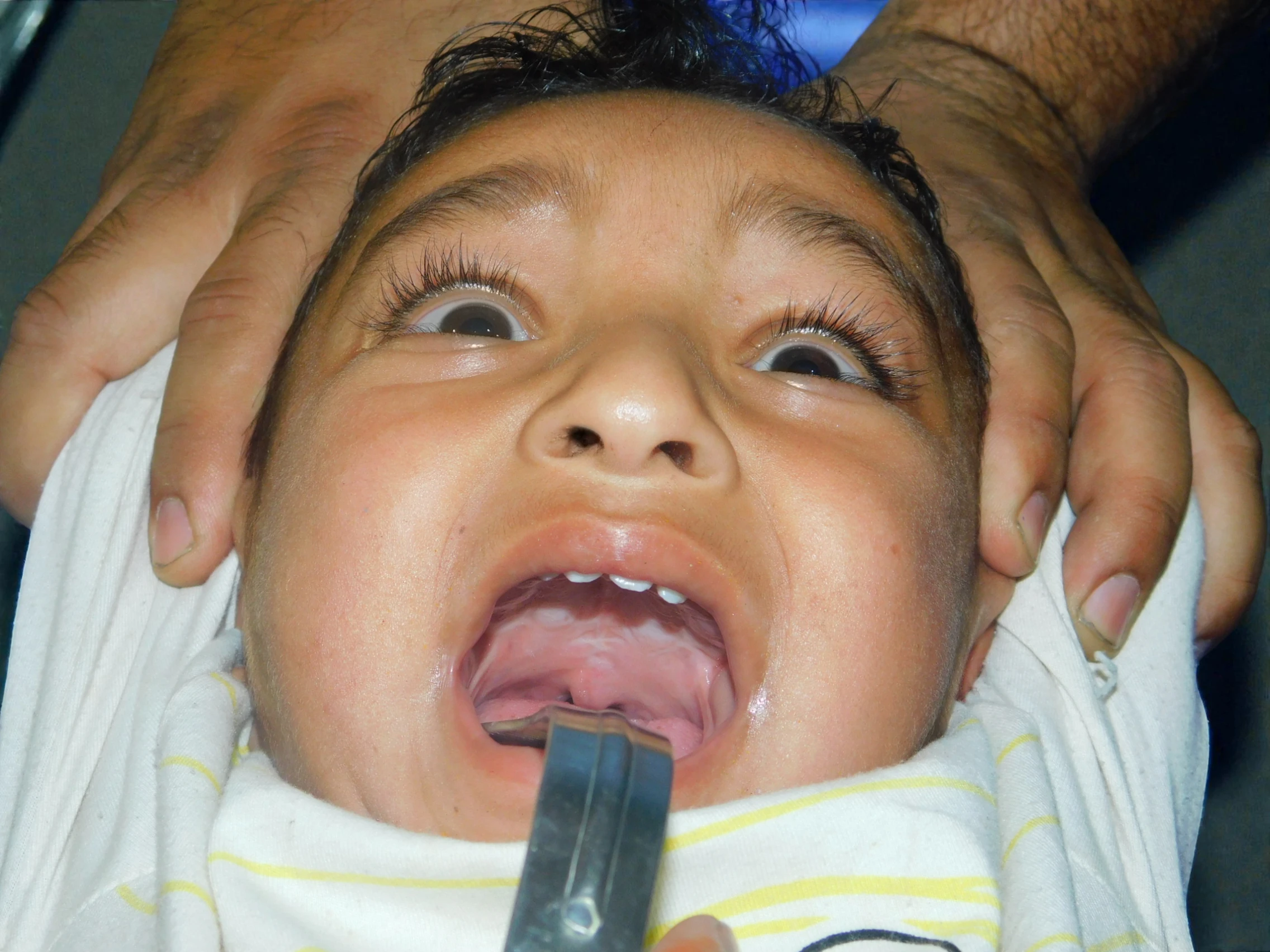
Globally, 1 in 700 babies is born with a cleft lip and/or palate. Clefts can cause difficulties eating, breathing, hearing, and speaking.

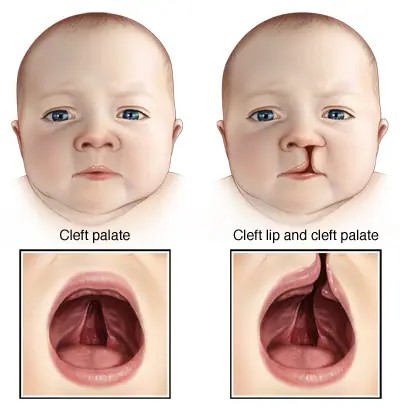
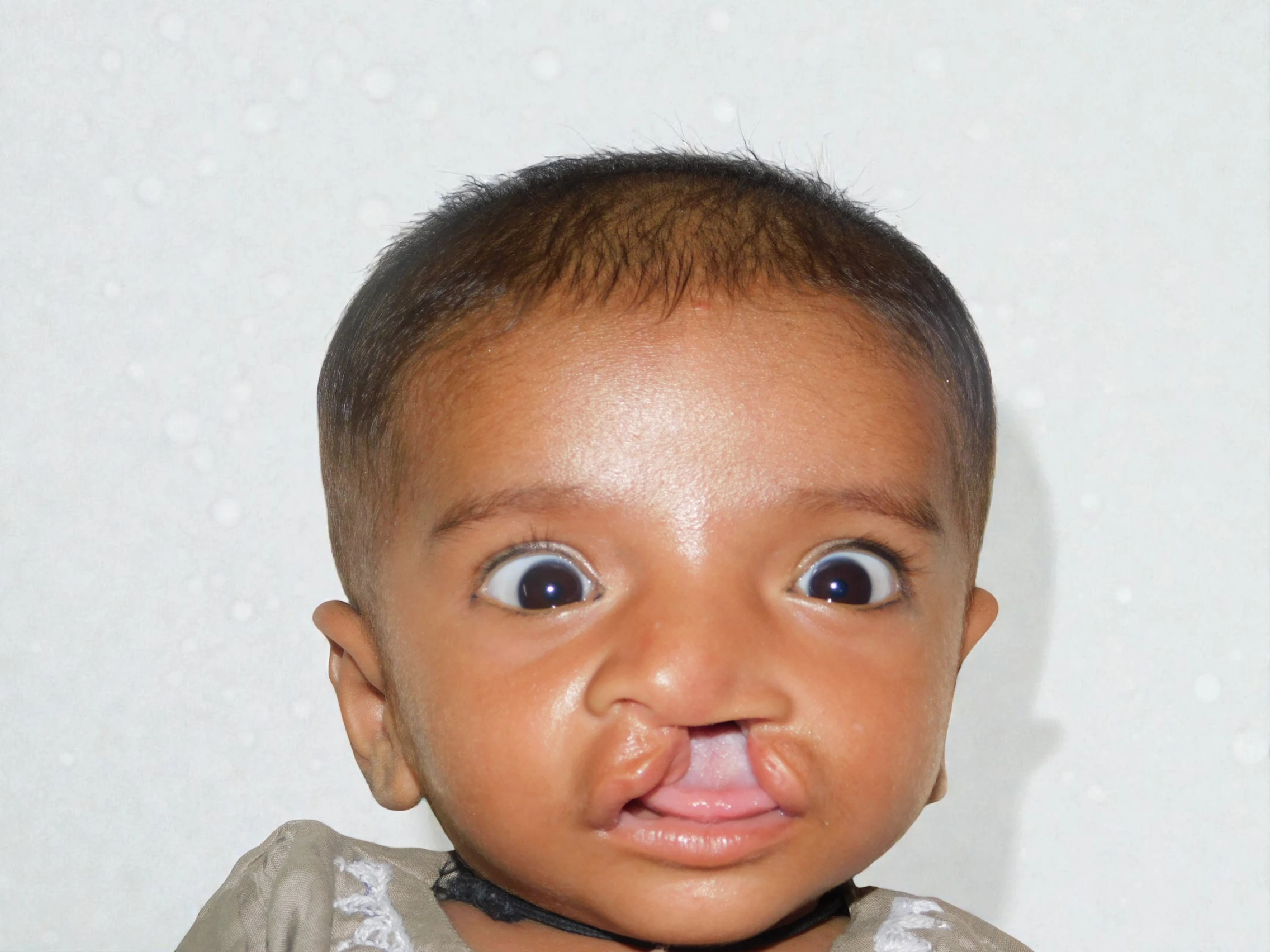
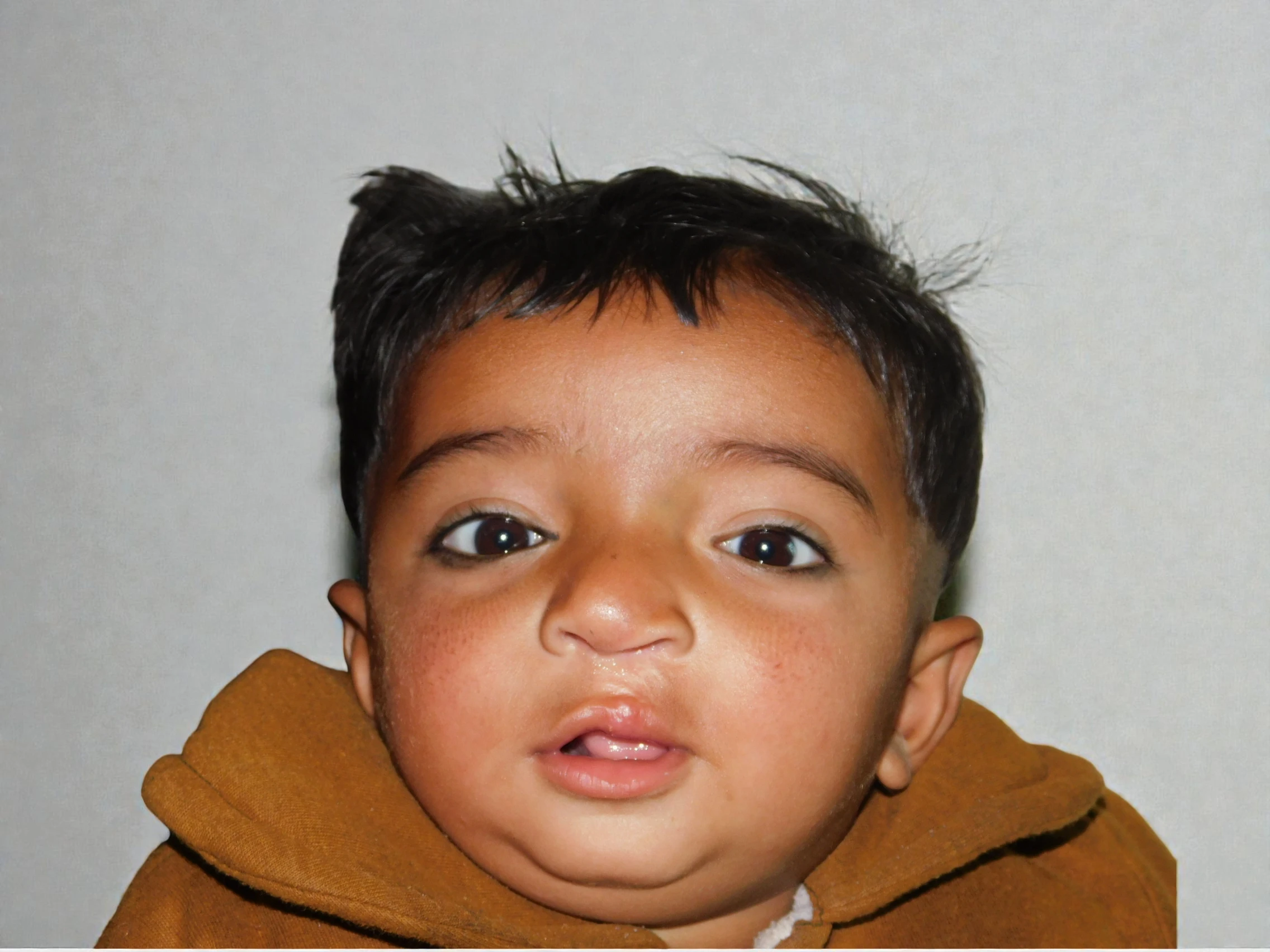
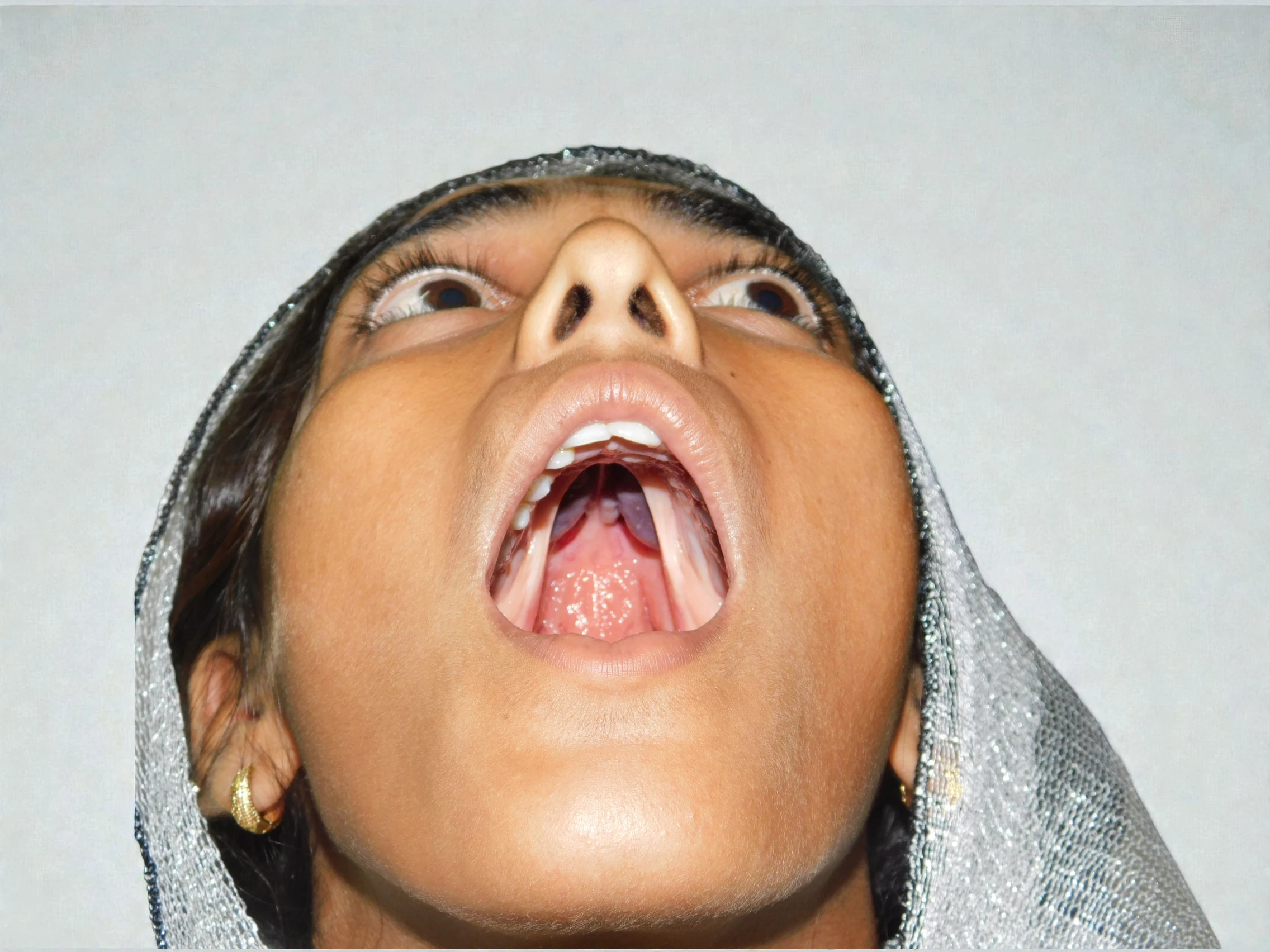
Cleft lip and cleft palate are birth conditions where the upper lip or roof of the mouth does not fully form, affecting eating and speech, but can be corrected through surgery.

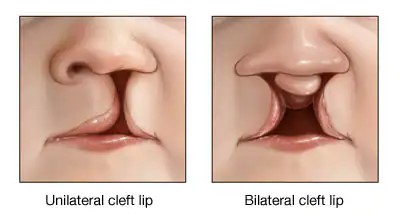
A cleft occurs when certain body parts and structures do not fuse together during fetal development. Clefts can involve the lip and/or the roof of the mouth, which is made up of both hard and soft palate. Around the world, many children with clefts will never receive the reconstructive surgery they need.

Risk factors

How common are clefts?

There are varying opinions on the actual incidence of clefts, but most experts agree that, in part, it depends on ethnicity. Some experts say that the highest cleft incidences are among Asians (approximately 1 in 500 births). Caucasians have an average incidence of 1 in 700 births and individuals of African descent have the lowest incidence, of approximately 1 in 1,200 births.

Donate Smile Home Trust

One smile at a time, we are building a brighter, kinder future for children who need it most.

Support

Your donation helps us give every child the chance to smile, speak, and live with confidence.

© Copyright 2026 by Smile Home | Developed by Segma Solutions.